
The complete guide
Choosing a 10L Water Carrier for Camping and Days Outdoors
Keep water near the place you need it
A water point can feel much farther away once your camp is set up. You may only need enough water to rinse something or fill a smaller container, yet each task means another walk. A portable carrier lets you bring a supply back to your pitch and keep it nearby.
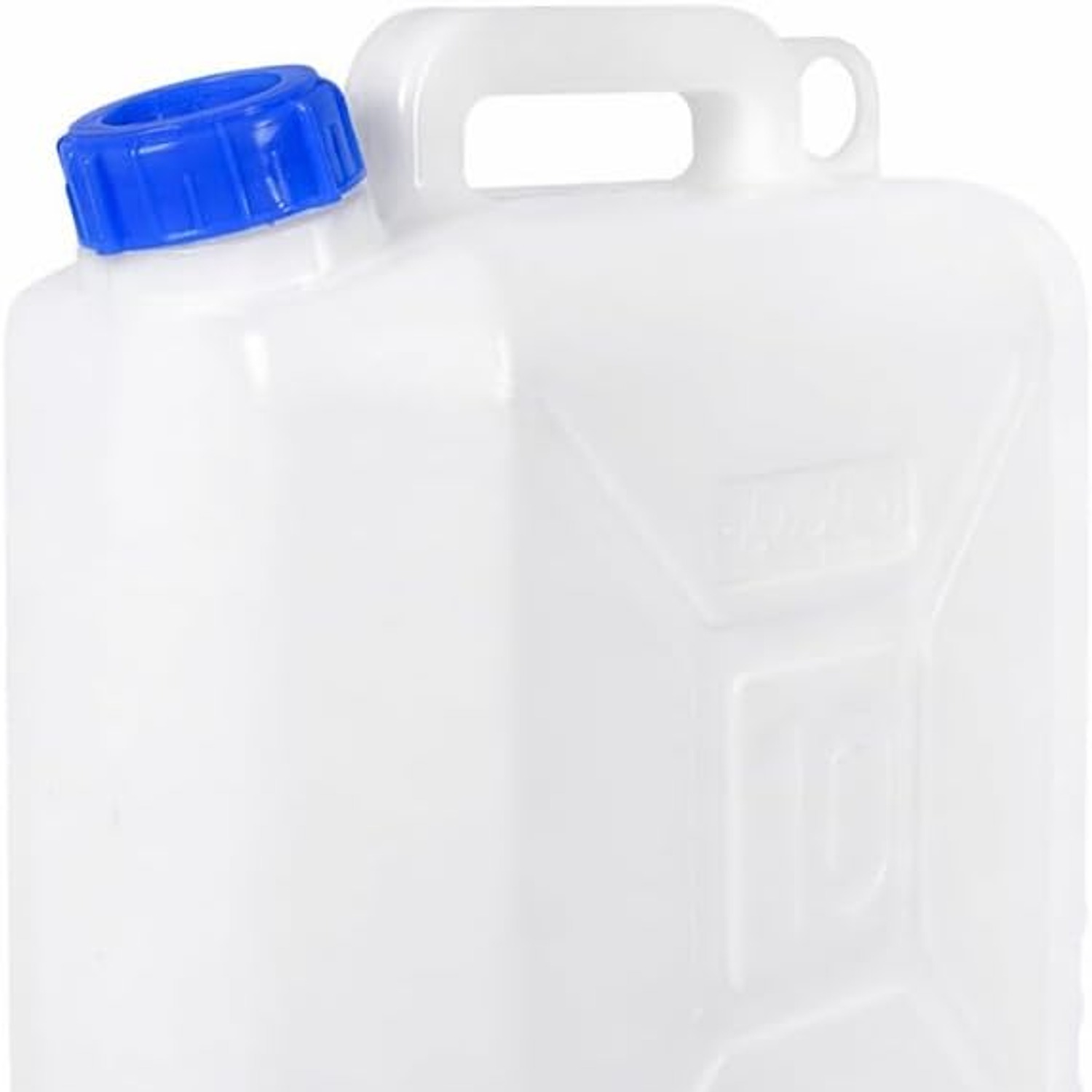
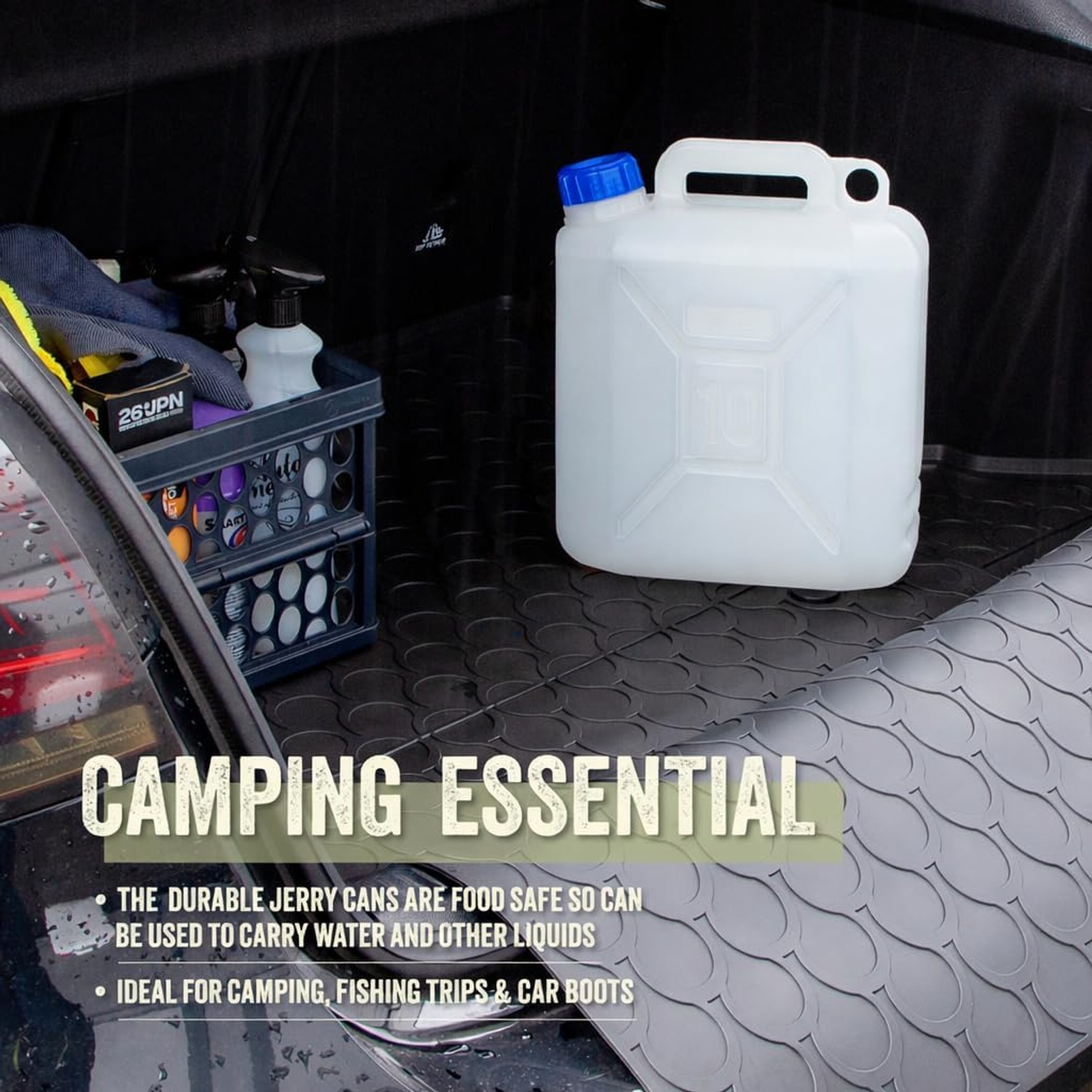
The Milestone Camping 10L Water Carrier is a simple option for that job. It holds 10 litres, has an integrated handle and comes with a pouring spout. The product description also suggests it for festivals, fishing trips and beach outings.
Choosing a carrier is not only about capacity. You need to think about the walk from the tap, where the container will sit and how you will pour from it. These everyday details matter more than a long feature list.
How this water carrier works
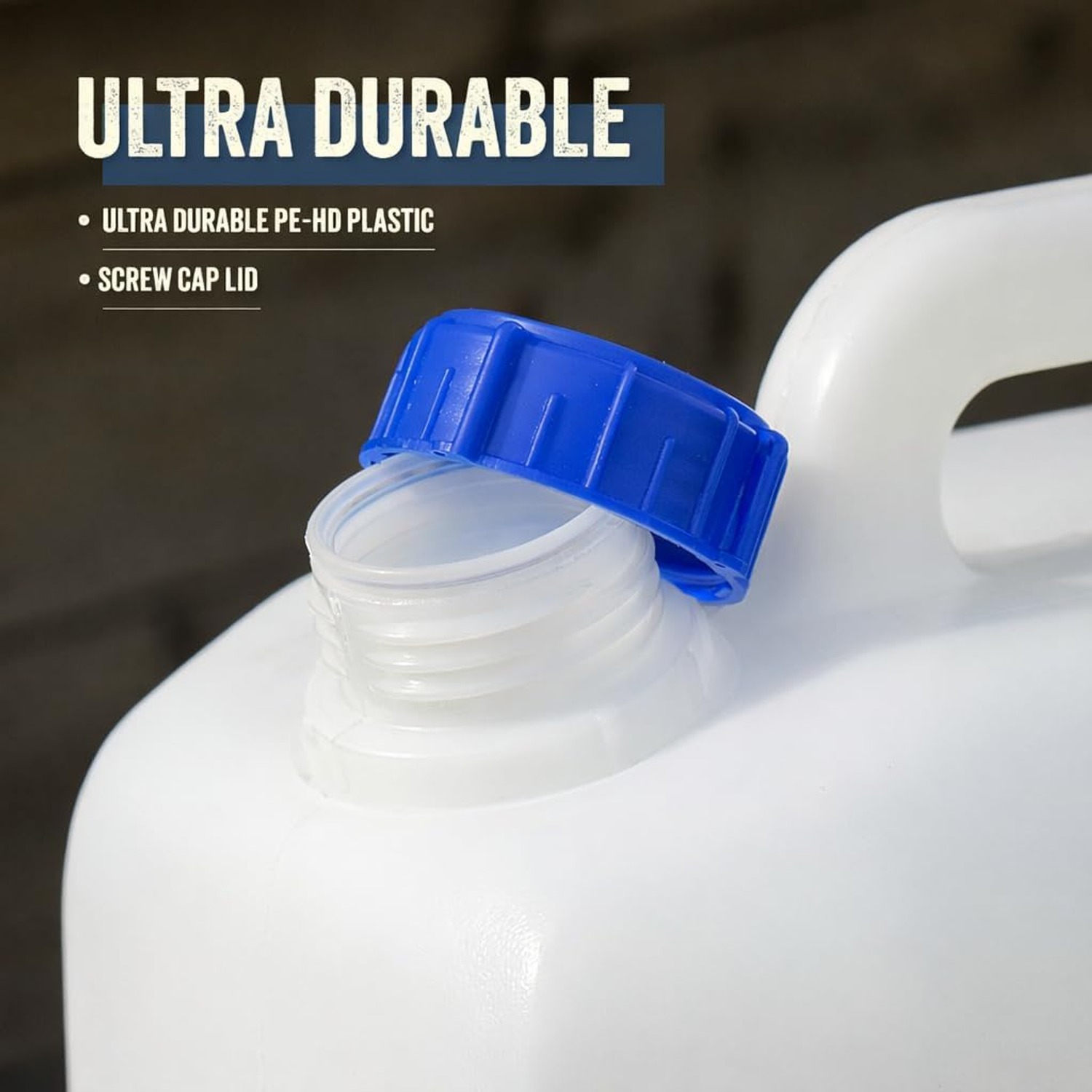
The carrier uses a rigid body to hold water. A lid closes the opening for storage and transport, while an included spout attaches in place of that lid when you want to pour.
This is a hand-poured design, not a listed tap dispenser. You lift and tilt the container to move water into another vessel. The handle gives you a grip during that movement, and the spout helps aim the flow.
That makes the water container with spout worth considering if you want to fill smaller containers without pouring straight from a wide opening. You will still need enough room to lift it, tilt it and set it down safely afterward.
Before your first trip, try the lid and spout at home with a small amount of water. This gives you time to check the fit and get used to the pouring angle without holding a full load.
Decide whether 10 litres fits your plans
A 10 litre jerry can gives you one shared supply rather than several separate bottles. Whether that amount suits a trip depends on how many people are going, what they need water for and how often you can refill.
Start with the activities you expect. A short afternoon near a water point has different needs from a campsite where refilling means a long walk. Do not treat the capacity alone as a promise that it will cover a certain number of people or days.
Milestone Camping describes this model as a carrier for water and other drinks. Start with clean drinking water and keep the lid and spout clean. The container carries water; it does not filter or disinfect it.
Follow the supplied instructions for cleaning and storage. Do not assume that suitability for carrying drinks establishes a hot-liquid rating or a recommended period for long-term water storage.
Think about carrying weight before filling
The listed carrier weight is 0.38 kg. That is useful when comparing empty kit, but it does not describe the effort needed to carry it full. Water will make up most of the load.
Picture your actual route. A short walk over level ground is different from carrying water across a sloping field, along a beach path or through a busy festival campsite. Your ability to lift the carrier comfortably matters too.
You do not have to fill it to capacity every time. Taking a smaller amount may be more practical if your water point is close or if you need to carry other equipment at the same time.
A water carrier with handle gives you a clear place to grip, but it does not remove the weight. Try a manageable load first and keep your route free of avoidable obstacles.
Choose between a rigid can and a folding container
The product description describes this model as having a rigid HDPE plastic body. Its fixed shape is an important buying point because it affects storage as well as use.
A rigid water container does not fold down after emptying. You will need space for it on the journey home, even when there is no water left inside. That can matter in a small car or a tightly packed camping cupboard.
On the other hand, someone who wants a fixed-shape water carrying can may prefer this format. The handle, lid and spout are the main features to compare with other designs.
Do not assume that a rigid body means it is suitable for every liquid or condition. No temperature range, fuel compatibility or chemical compatibility is provided. Choose it for the stated purpose rather than treating it as a general-purpose liquid can.
Check the measurements carefully
The product details give dimensions of 33.4 x 27.8 x 14.6 cm. There is an important detail here. The product specifications call these package dimensions, so they are not confirmed measurements of the carrier itself.
If you have plenty of packing space, that distinction may not change your decision. If you need the can to slide into a narrow cupboard or a fixed vehicle compartment, ask for the external product measurements first.
Allow working room as well as storage room. You need space above the handle to lift the can out. You also need room to attach the spout and tilt the body when pouring.
A container that fits a shelf perfectly may still be awkward to use there. Think through the full movement from storage to pouring position before deciding where it will live.
Match it to your outdoor routine
For camping, the main benefit is keeping a water supply near your setup. Place the carrier on a stable surface where you can reach it without moving cooking equipment or stepping over bags.
At a festival, access rules come first. Check whether your event permits this type of container and where refilling is allowed. A festival water container is only helpful if it suits the site and the distance you need to carry it.
For fishing, consider the path between your vehicle and your chosen spot. A fishing trip water carrier may be useful beside your gear, but filling it fully before a long walk may not be the most comfortable choice.
At the beach, pay attention to sand around the opening. Keep the lid and spout clean and avoid setting water-contact parts directly on the ground. Small habits make the next pour less troublesome.
Look closely at the lid and spout
The product description describes the lid as designed to prevent leaks. That is a useful feature, but it is still sensible to check the closure before every journey.
Look for dirt around the opening, visible damage or a lid that does not seat properly. Secure the carrier so it cannot roll around in the vehicle, and do not rely on a product description in place of checking your own container.
The spout is intended to help direct water into a smaller vessel. Bring that vessel within comfortable reach before you start lifting. Pour slowly while you learn how the carrier handles at different fill levels.
Keep track of the lid when the spout is fitted. A simple place for loose parts helps avoid searching through camping gear when it is time to pack up.
Clean it, dry it and check it again
Rinse the carrier before first use and follow any instructions supplied by the manufacturer. Include the lid and spout in your cleaning routine, rather than focusing only on the main body.
After a trip, empty any remaining water and clean the parts. Allow the inside and spout to dry before storage. Putting outdoor kit away while it is still wet can leave you with more work before the next outing.
Dishwasher use is not confirmed in the product details. Neither are hot-water or freezer limits. Avoid assuming those methods are suitable just because the body is described as plastic.
Before packing again, check for wear, damage or missing parts. It is much easier to deal with a poorly fitting lid at home than after reaching a campsite.
Check the purchase details before ordering
This listing is for one 10 litre Milestone Camping jerry can, model 65930. The product description describes an included pouring spout and states a 12 month manufacturer warranty.
The warranty details are not included here, so read the supplied terms and keep your proof of purchase. Delivery timing and return conditions also need to be checked through the storefront.
If you are buying it as a gift, focus on the recipient's routine. Someone with a small camping kit may have different storage needs from someone who travels with a larger vehicle.
The short version
Choose this camping water container if you want a rigid 10 litre carrier with a built-in handle, closing lid and attachable pouring spout. Its stated uses include camping, festivals, fishing and beach trips.
Before buying, check the carrying distance, available space and any drinking-water requirements. The right portable water storage is the one you can fill, move, pour and put away comfortably.