
The complete guide
Choosing a Wind-up DAB Radio for Camping and Home Backup
A radio for times when a socket is not close by
A camping pitch or a power cut can change how you use familiar equipment. A radio that normally sits beside a plug needs another source of power. A light that is easy to find at home may be buried in a bag. Planning for those small problems is easier before you need to solve them.
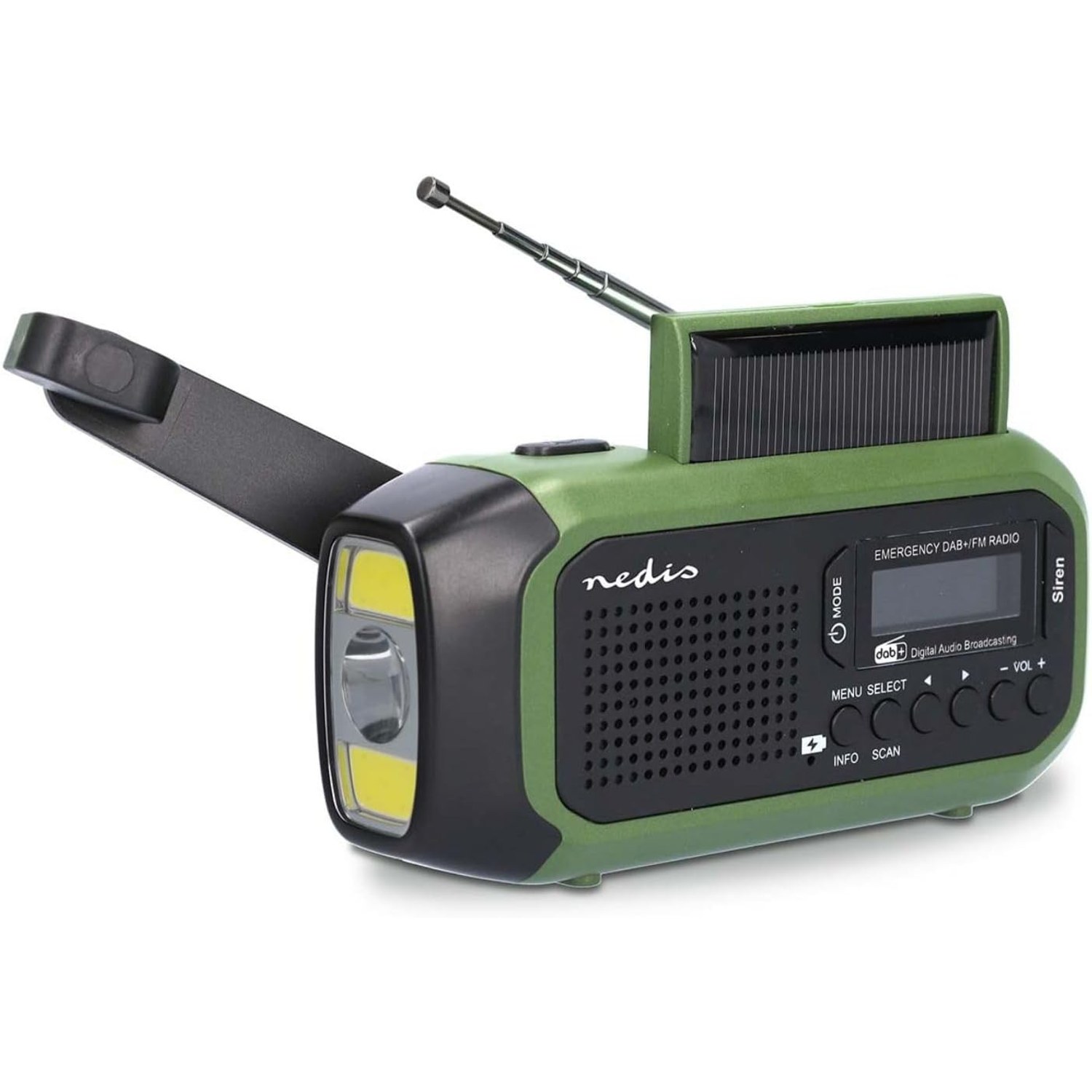
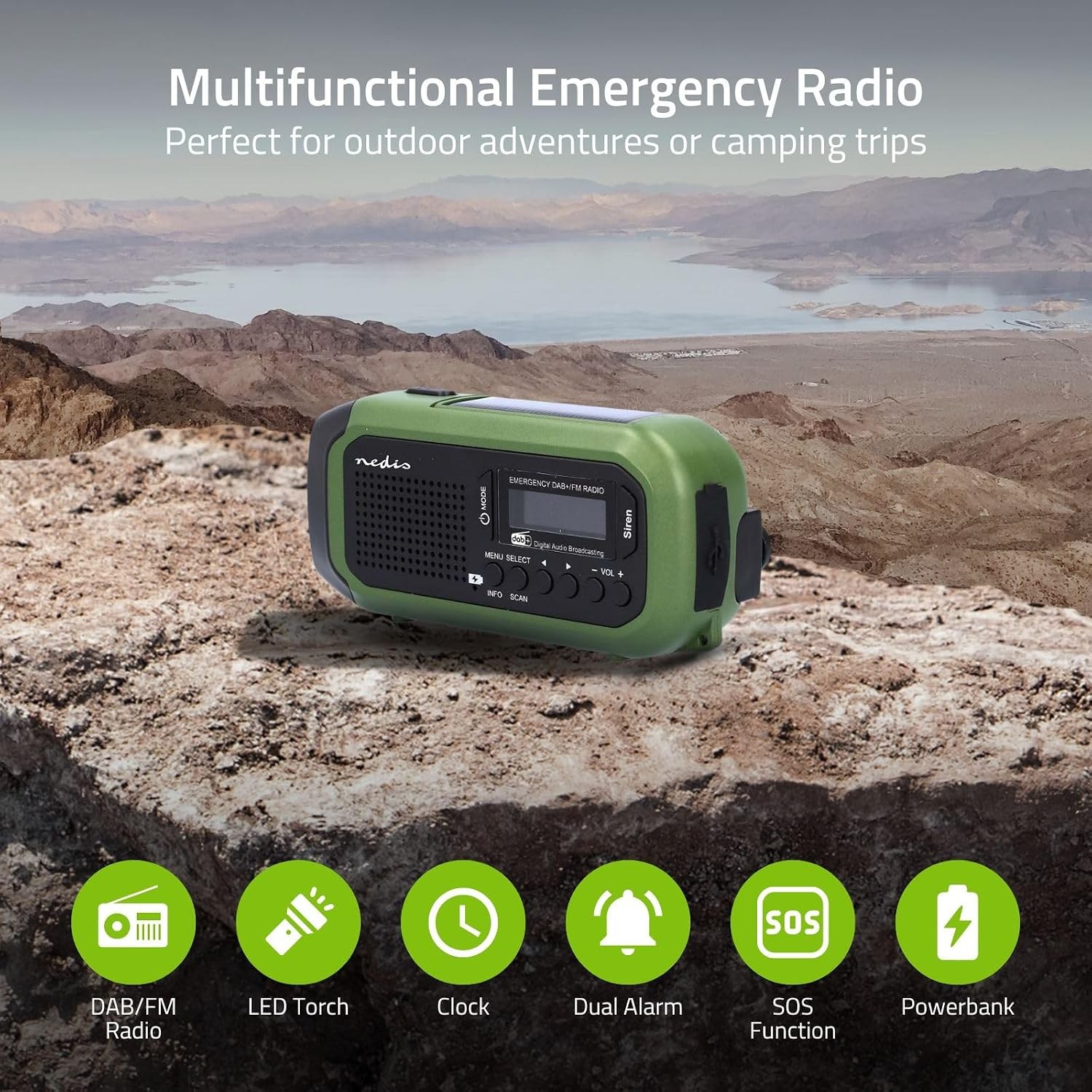
The Nedis RDDBCR2000GN DAB+/FM Wind-up Radio combines radio reception, rechargeable power storage and two lighting options. It has USB-C charging, plus a solar panel and hand crank as backup charging methods.
There are important limits to keep in mind. Solar and crank charging do not mean unlimited power.
What this wind-up radio offers
The confirmed reception formats are DAB+ and FM. That gives you two ways to look for broadcasts, although the stations you receive will depend on coverage where you use the radio.
An internal 2500mAh battery stores power. The radio also has a torch and reading light, so it brings more than listening into one unit. These are practical features to compare if you are putting together camping equipment or choosing a radio for home backup.
Keep the distinction between a feature and a measured result clear. A battery capacity is stated, but listening runtime is not. A torch is included, but its beam distance and brightness are not given. That matters when deciding whether this unit meets a specific need.
Understanding the charging options
USB-C is one of the radio's charging methods. For planned use, follow the supplied instructions and make checking the charge part of your preparation. the product information does not specify charging time, adapter requirements or whether a cable is included.
The hand crank gives you another way to add charge when normal charging is unavailable. It is a backup method, not a promise that a few turns will provide a set amount of listening. No crank-to-runtime figure is specified.
The solar panel is also a backup option. Do not build your plans around an assumed charging rate or expect it to keep every function running without limits. If you need dependable listening for a fixed period, the missing runtime and charge-time figures are worth resolving before purchase.
Choosing between DAB+ and FM
A DAB and FM radio offers a choice of broadcast formats, but neither guarantees reception everywhere. Before buying, check whether the stations you want are available in the area where you expect to listen.
This is especially useful for a camping trip. Reception at home does not establish what you will receive at a distant campsite. If a particular broadcast matters to your plans, check local coverage rather than relying on the product name alone.
Once you have the radio, test it where you intend to keep or use it. Familiarity helps too. Learning its controls during an ordinary afternoon is more useful than working them out for the first time during a power cut.
Where the torch and reading light fit
A radio with torch and reading light can reduce the number of separate items you need to keep track of. You have listening and lighting functions together, which may be handy in a tent or a home backup drawer.
The lighting specifications have limits, though. Brightness, beam distance and operating times are not specified. There is not enough information here to judge whether the torch meets a particular outdoor task or whether the reading light will last through an evening.
For any activity where light is essential, plan suitable lighting separately. Think of the built-in lights as confirmed features without assigning them a level of performance that has not been stated.
Is it a good fit for camping?
A rechargeable camping radio can appeal if you want broadcast listening without keeping the unit beside a socket. The Nedis model adds solar and hand crank backup charging, along with its two lights.
The unanswered questions are just as important when packing. Weight and dimensions are not specified. That means you cannot yet judge how it will fit into a tightly packed rucksack or whether it suits a strict carrying limit.
No water-resistance rating is provided either. Keep the radio dry and plan where it will sit or be stored. A camping label does not establish protection against rain, damp ground or spills. Choose it for the features listed, not for outdoor protection that has not been confirmed.
Using it for home backup
A power cut radio is most useful when you know where it is and have checked it beforehand. Keeping the radio in an agreed place helps avoid a search when the lights go out. Make sure anyone likely to use it knows how it works.
The internal battery and backup charging options offer different ways to prepare. Still, no listening runtime is specified, so you should not assume it will cover a particular length of outage.
Broadcast reception is also not the same as a dedicated alert service. This model has no UK NOAA reception. Its stated role is DAB+ and FM listening, with lighting and charging features alongside it. Keep wider household plans separate from what one device can do.
Water safety is a separate need
Emergency equipment searches can bring together radios, lights and water products. They serve different purposes. This radio does not filter water, disinfect it or remove contaminants.
Neither its solar panel nor its hand crank changes that limit.
If your trip or household plan needs a safe drinking-water supply, arrange that separately. Do not interpret the phrase “emergency radio” as a claim that it handles every emergency need. Keeping those roles clear helps you choose equipment for the job it actually does.
Check the details that matter to you
Start with how you expect to use the radio. For casual listening at a campsite, reception and charging options may lead your decision. For a bag carried all day, confirmed weight and dimensions may matter more.
Several details are not specified in the product information, including materials, colour and water resistance. Bluetooth, a headphone socket and phone charging are not listed either. A USB-C charging connection does not by itself mean the radio can charge a phone.
Avoid filling those gaps with assumptions based on other radios. If a missing feature is essential, confirm it before ordering. It is better to pause over one important question than buy something that does not suit your routine.
Simple care and preparation
Follow the supplied instructions for charging, using the crank and storing the internal battery. Those instructions should be your guide to the controls and operating steps.
For routine cleaning, use a soft, dry cloth on the exterior. Keep liquid away from openings and keep the unit dry, as no water-resistance rating is specified.
Before a trip, check that the radio works, test reception where possible and review its charge. It is also worth checking the lighting functions before packing. These small checks do not establish a guaranteed runtime, but they help you spot a problem before you are relying on the equipment.
Store it somewhere you can find it easily. If several people may use it, show them the basic controls rather than assuming they will know where to start.
Allow enough time for delivery
This item has an extended delivery estimate of 9–11 weeks from ordering. It is on backorder, with dispatch alone currently estimated at 8–9 weeks. It is not a quick-dispatch choice for a near-term trip.
Work back from the date you need it. If your departure or gift date falls close to the estimated delivery window, do not treat arrival as certain. An estimate should leave room in your plans, not become the only thing those plans depend on.
Delivery costs €22.99, with free delivery on goods totals of €89 or more after discounts. Check the goods total after any discount when reviewing the delivery charge.
There are 14-day cancellation rights, subject to policy. Read the applicable cancellation and returns conditions before ordering, especially if you are still checking whether the radio meets your needs.
The short version
The Nedis RDDBCR2000GN is a DAB+/FM radio with an internal 2500mAh battery, USB-C charging, solar and hand crank backup charging, a torch and a reading light.
It is worth considering if those features match your camping or home listening plans. Keep expectations grounded.
Check any essential missing details, plan around the 9–11 week delivery estimate and choose it for the functions it actually offers.