
The complete guide
Choosing a Portable Radio for Camping and Power Cuts
When the lights go out, simple equipment matters
A flat phone and a dark room can make a power cut feel much harder to manage. At a campsite, the same problem may arrive without a wall socket anywhere nearby. A portable radio with its own power options gives you another way to hear available broadcasts, while a built-in light can help with nearby tasks.
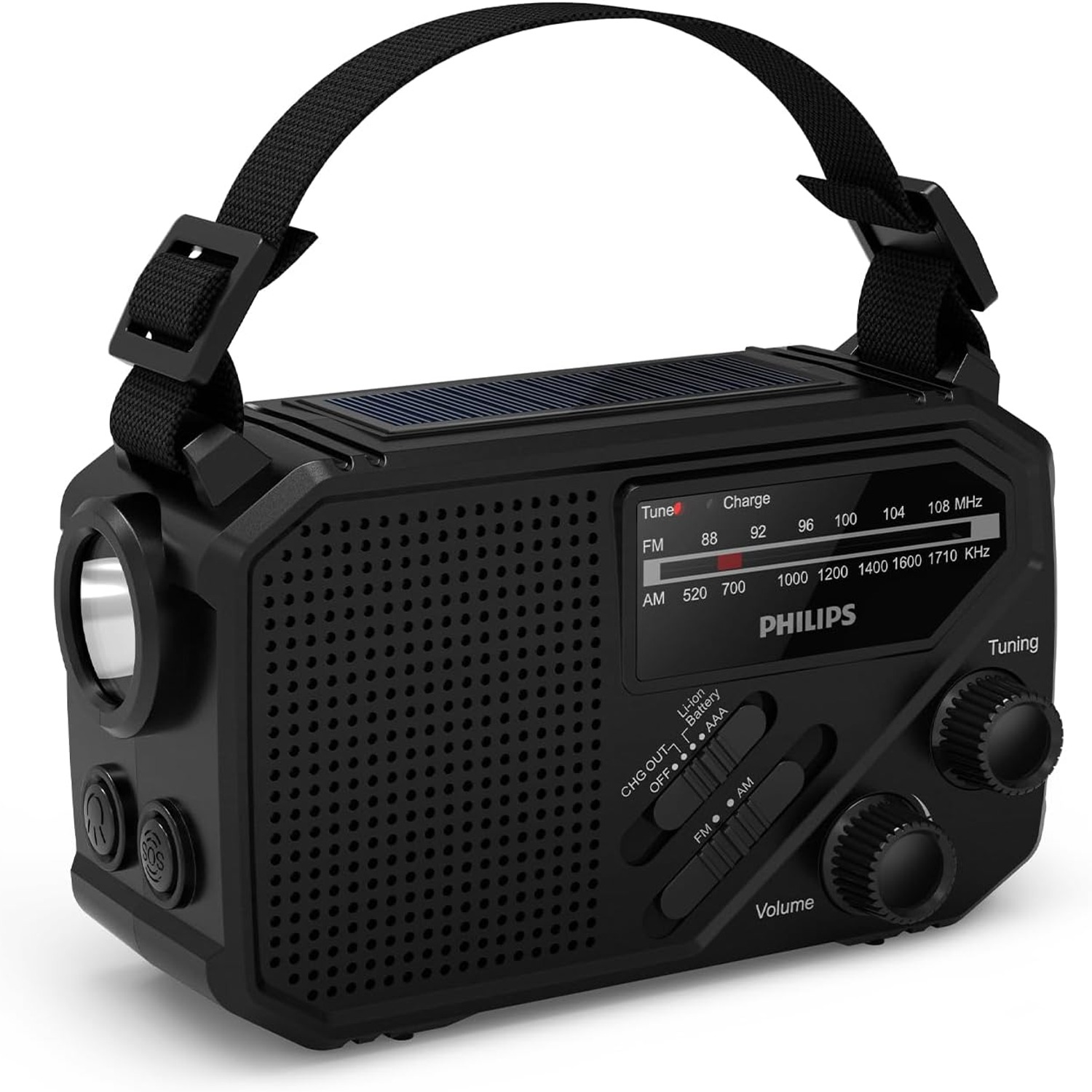
The Philips TAR1609 brings those functions together. It is an AM/FM radio with an internal rechargeable battery, solar and hand-crank backup, plus support for three AAA batteries. It also has a torch and an SOS alarm with a flashing light.
That combination is useful, but it is worth understanding the limits before buying. Several important figures, including battery capacity and runtime, are not given. Choose it for its stated functions rather than assumed endurance.
Start with the radio, not the extras
The main job of a portable analogue radio is straightforward. You tune to a station, set a comfortable volume and listen. The TAR1609 uses tuning and volume knobs, so station selection is a hands-on process rather than a confirmed preset-based system.
AM and FM support gives you access to broadcasts on both bands where services are available. What you can hear will depend on your location, the station coverage and conditions around the radio. No portable receiver can promise every station in every setting.
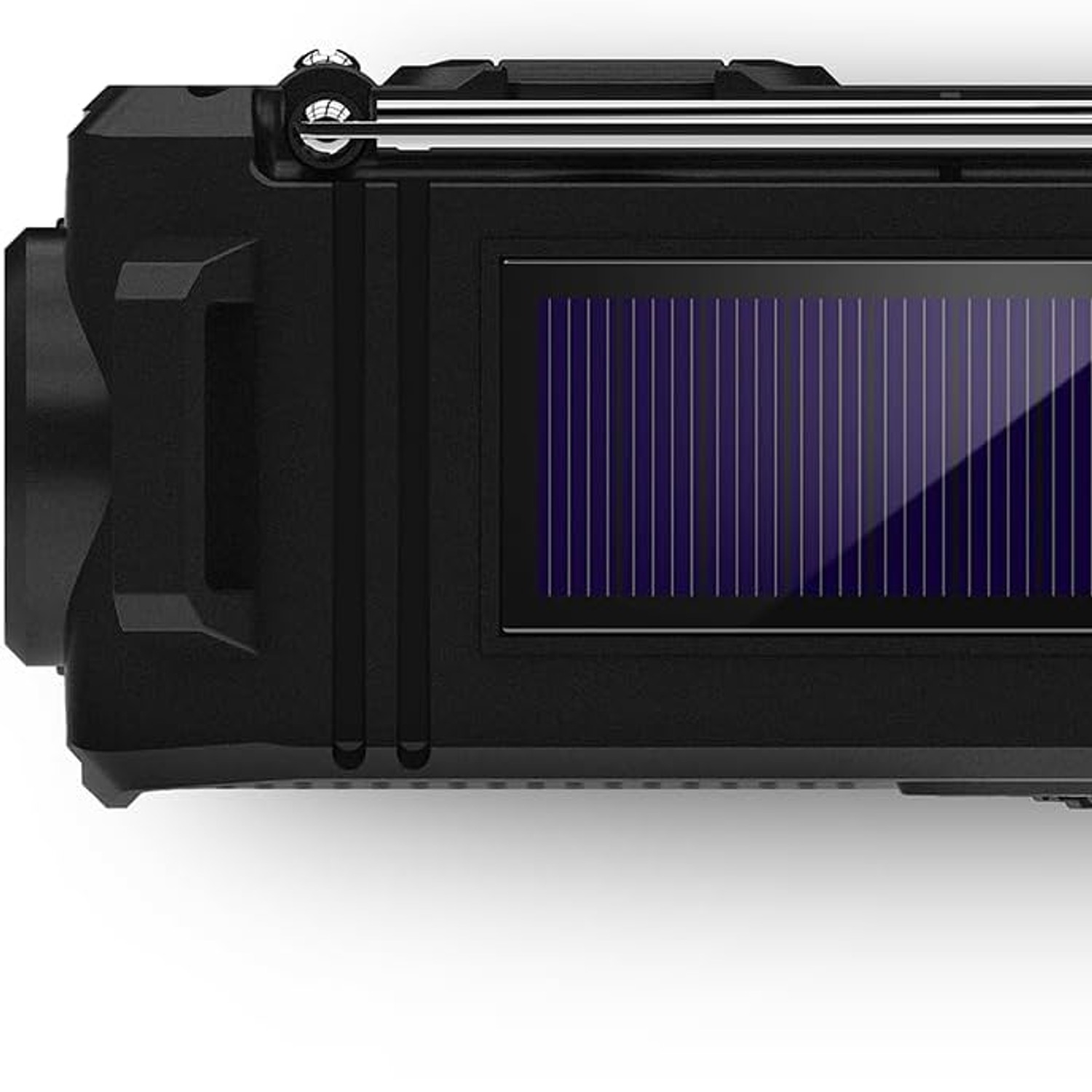
The extendable antenna gives you something to adjust when reception is poor. Try a different position before assuming a station is unavailable. Moving away from electrical equipment or changing the radio's location may also help.
If you want a radio mainly for a particular local station, check which band it uses and whether it reaches the places where you plan to listen.
Understand what several power options really offer
A rechargeable camping radio is appealing because it does not depend on disposable batteries alone. The TAR1609 has an internal rechargeable battery, with solar, hand-crank and AAA battery options listed alongside it.
The advantage is choice. If one source is unavailable, another may help keep the radio useful. That does not mean all sources provide equal power, or that each one can support every function for the same length of time.
The product details do not state battery capacity, charging time or listening time. It also does not explain how much energy a given period of cranking produces. Those gaps matter if your plans depend on a fixed number of hours.
For a trip, prepare the radio using its instructions and test it beforehand. A familiar, checked device is easier to use than one opened for the first time during a power cut.
Treat solar and crank power as backup tools
A hand crank radio can be useful when stored battery power is low. It gives you a manual power option, but it still takes effort and time. Without a stated charging ratio, there is no sound basis for promising how many minutes of listening a short cranking session will provide.
Solar power also needs realistic expectations. The panel is a listed feature, but its output and charging rate are not supplied. Available sunlight changes with weather, shade and time of day.
Think of these functions as extra options rather than a reason to ignore preparation. Start with the internal battery ready for use and check the AAA battery arrangement in the supplied guide.
There is one buying detail to resolve. The product information disagrees about whether AAA batteries are included. Confirm this before departure rather than expecting the package to contain them.
Decide how much light you need
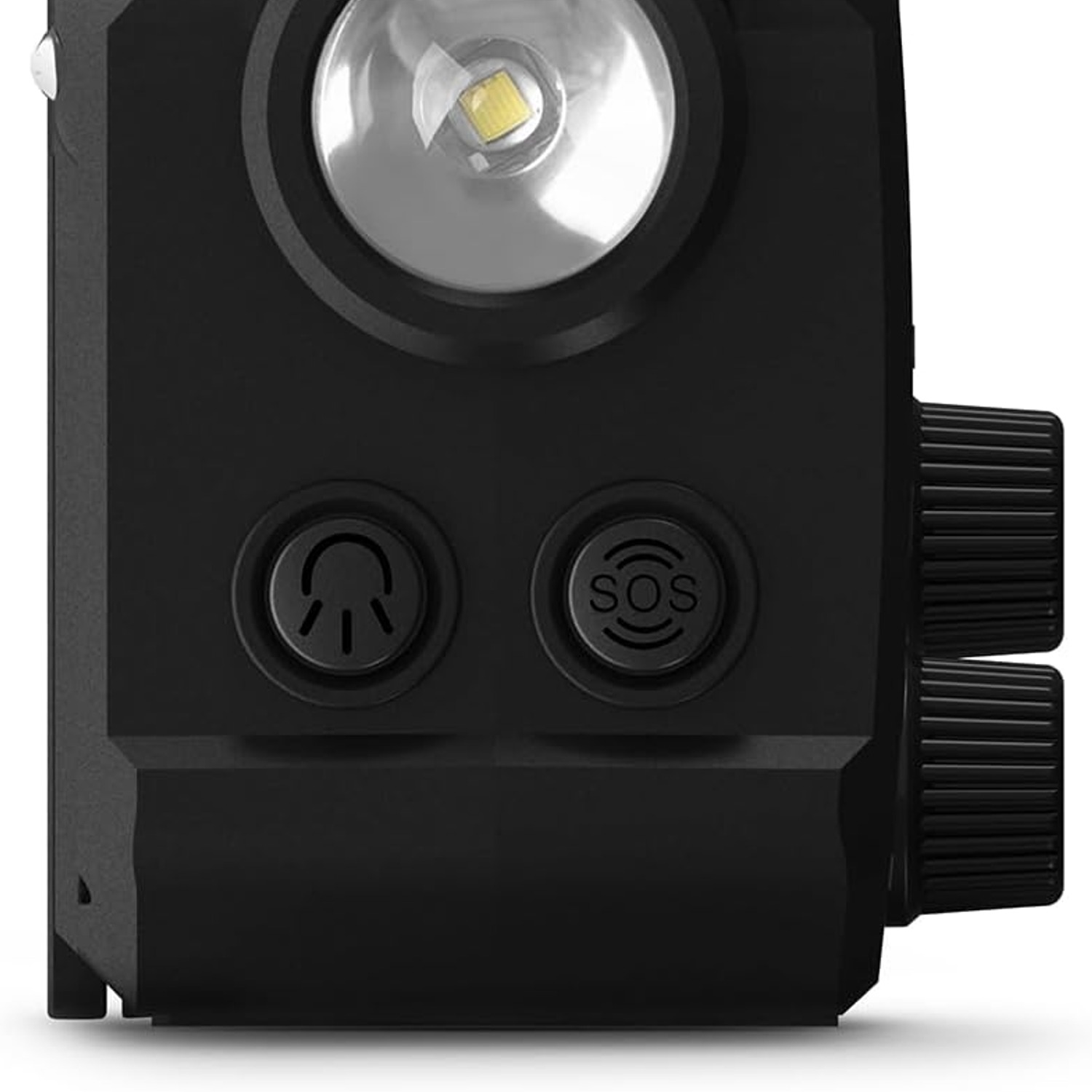
The built-in LED light and torch are useful additions to a radio intended for outdoor trips and power interruptions. Having light and sound in one item may reduce the number of separate objects you need to find in the dark.
Still, the listing does not give a brightness figure, beam distance or lighting runtime. You cannot compare it fairly with a dedicated walking torch using those measures.
For a camping kit, consider what you expect the light to do. Finding something in a bag is a different task from following an uneven trail after sunset. If lighting is central to your plans, carry a separate light with specifications that suit the task.
A radio with torch is a handy combination. It should not force you to depend on one device for every lighting need.
Know what the SOS alarm can and cannot do
The TAR1609 includes a loud SOS alarm and flashing light. These are attention-getting signals for people nearby. They are not a confirmed radio distress transmitter, satellite messenger or automatic call system.
That distinction matters when choosing an emergency radio with SOS alarm. A button labelled SOS can sound more capable than the actual function, especially if you are shopping quickly.
Learn the control before you need it, following the instructions and choosing an appropriate place to test it. Anyone sharing your camping equipment or home backup kit should understand its purpose too.
Keep your wider safety plan separate. Tell someone your route when appropriate, know local emergency contact options and carry the communication equipment your activity requires. The alarm is an addition to that plan, not a replacement.
Consider USB charging without assuming power-bank performance
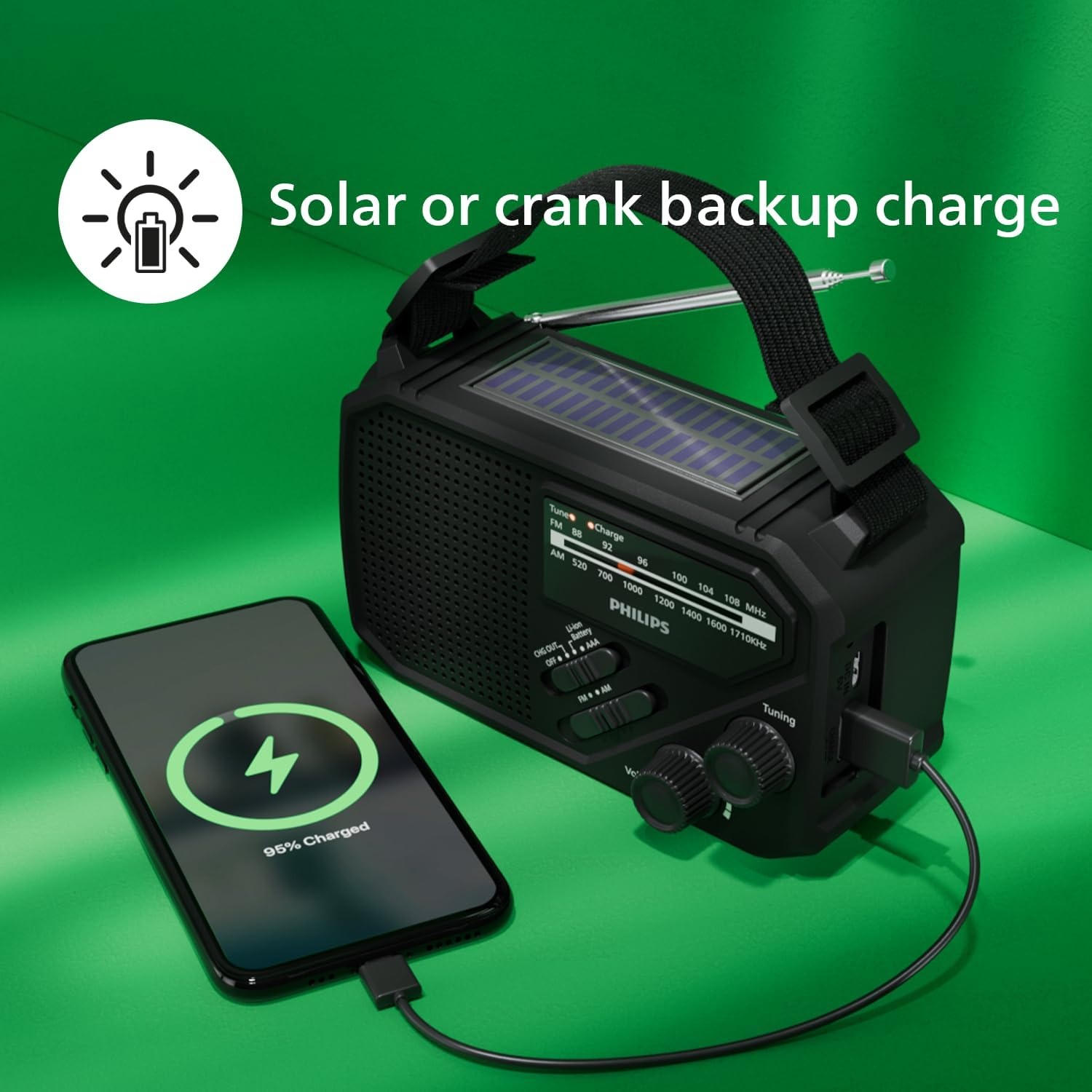
The USB-A output is described as charging other devices. That could be helpful when a compatible device needs power and your usual source is unavailable.
However, the product details give no USB output rating or supported charging speeds. It also does not state how much charge the internal battery can pass to a phone. There is no basis for promising a full recharge or fast charging.
Before relying on this USB charging radio, check cable compatibility and the instructions for the device you want to connect. A supplied USB cable is listed, but its connector types are not specified.
If keeping a phone powered is your main requirement, compare dedicated power banks with stated capacity and output figures. Choose this radio first for listening and its listed backup functions.
Check the fit for your bag and your routine
The listed dimensions are 15 × 6.8 × 9 cm, with a weight of 0.45 kg. These figures are more useful than a general claim that a product is compact. Measure the space you have available and allow room to protect the controls and antenna.
An adjustable carry strap is included. It offers a way to carry the radio, though it does not provide protection from knocks or rain.
For car camping or home storage, the weight may be easy to accommodate. For a hiking radio, consider it alongside everything else in your pack. A useful feature still has a carrying cost.
Also think about who will use it. Some people prefer physical tuning knobs. Others want presets or a digital station display. Those functions are not confirmed here, so do not assume they are included.
Match the radio to the setting
At home, a battery backup radio can sit with a torch and other power-cut supplies. Choose a storage place that is easy to reach, then let other household members know where it is.
At a campsite, radio reception may differ from what you hear at home. Test available stations after arriving, rather than waiting until you need information. Keep the radio sheltered because no waterproof or water-resistance rating is specified.
For travel, check the broadcasts available at your destination. The product is described as AM/FM, but reliable exact tuning ranges are not provided in the product details.
This is also not confirmed as a dedicated weather-alert receiver. If automatic warnings or a particular weather band are essential, look for explicit support rather than assuming any emergency-style radio includes them.
Build a small care and checking routine
Simple care starts with keeping the radio clean and dry. Use a soft, dry cloth on the exterior. Avoid letting moisture collect around USB connections or battery areas.
Handle the extendable antenna gently. Retract it for storage when appropriate, following the guide, and avoid packing heavy items against it.
Battery care should follow the supplied instructions. Check stored batteries for leakage and review the guidance on removing them during long periods without use. Do not guess at charging methods or battery replacement procedures.
Check the radio occasionally while it is in storage. Confirm that you can tune a station, find the controls and use the light. This small routine can also reveal missing batteries or cables before you pack for a trip.
Resolve the missing details before ordering
The most useful final check is personal. Write down the functions you must have, then compare them with what is actually stated.
The product details confirms AM/FM listening, several power options, a torch, an SOS signal and USB-A device charging. It does not confirm battery endurance, charging speeds, water resistance or warranty duration.
Ask about any missing specification that could change your decision. Confirm AAA battery inclusion too. Delivery estimates and return conditions should be checked with the storefront for your destination, since they are not provided here.
The short version
The Philips TAR1609 suits buyers looking for a portable AM/FM camping radio with several backup power options and built-in lighting. Its analogue controls, carry strap and SOS signal add practical functions for home and outdoor kits.
Buy with clear expectations. Prepare its power sources, keep it dry and test it before relying on it. If your needs depend on a guaranteed runtime, fast phone charging or weather protection, get those details confirmed first.