
The complete guide
Choosing a Walking Compass for Map-Based Navigation
A clearer way to think about your route
A path junction can look simple on a map and feel less obvious when you reach it. Several tracks may head in similar directions. A familiar landmark may be hidden, or the route may bend sooner than you expected. This is where map-reading skills and the right equipment earn their place in your walking kit.
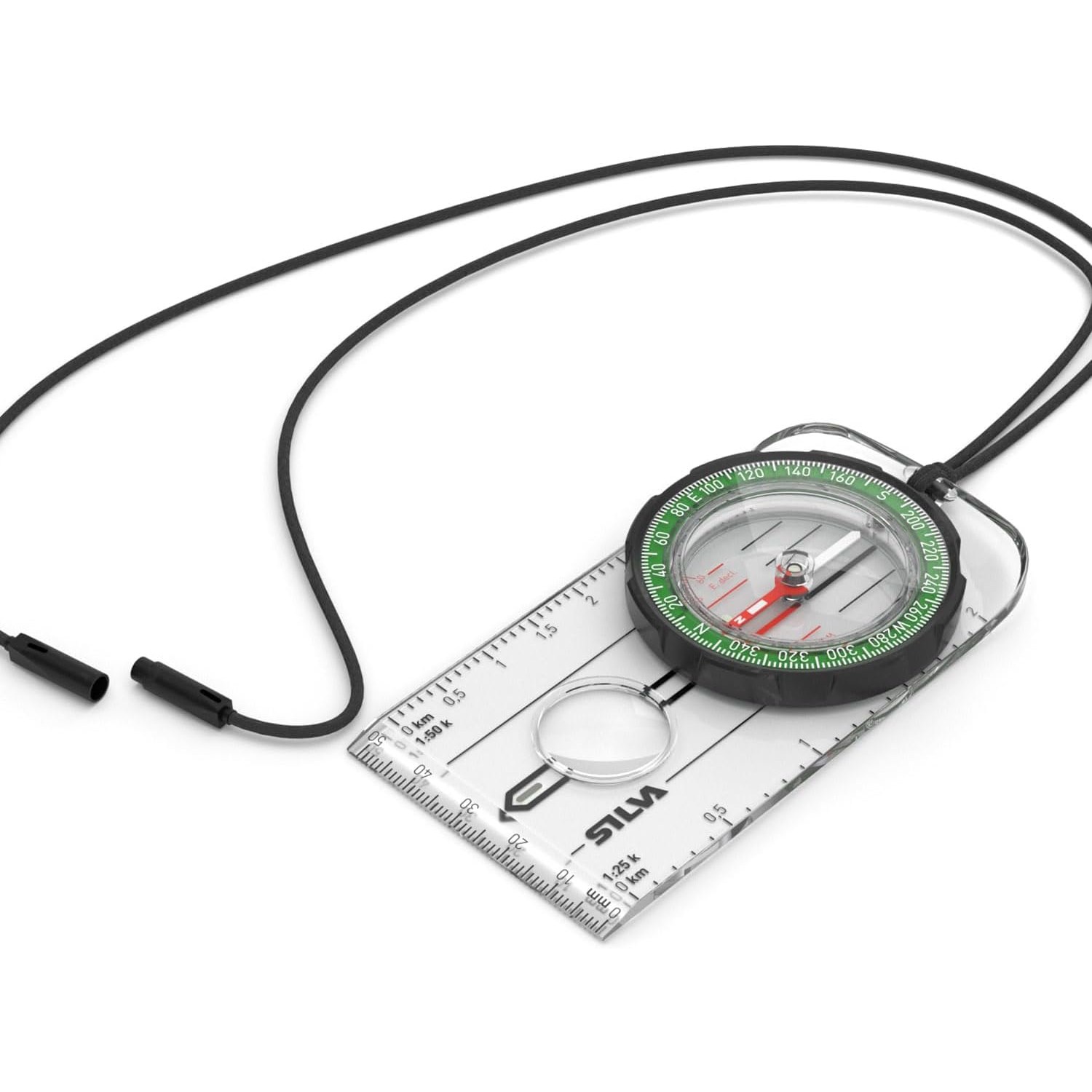
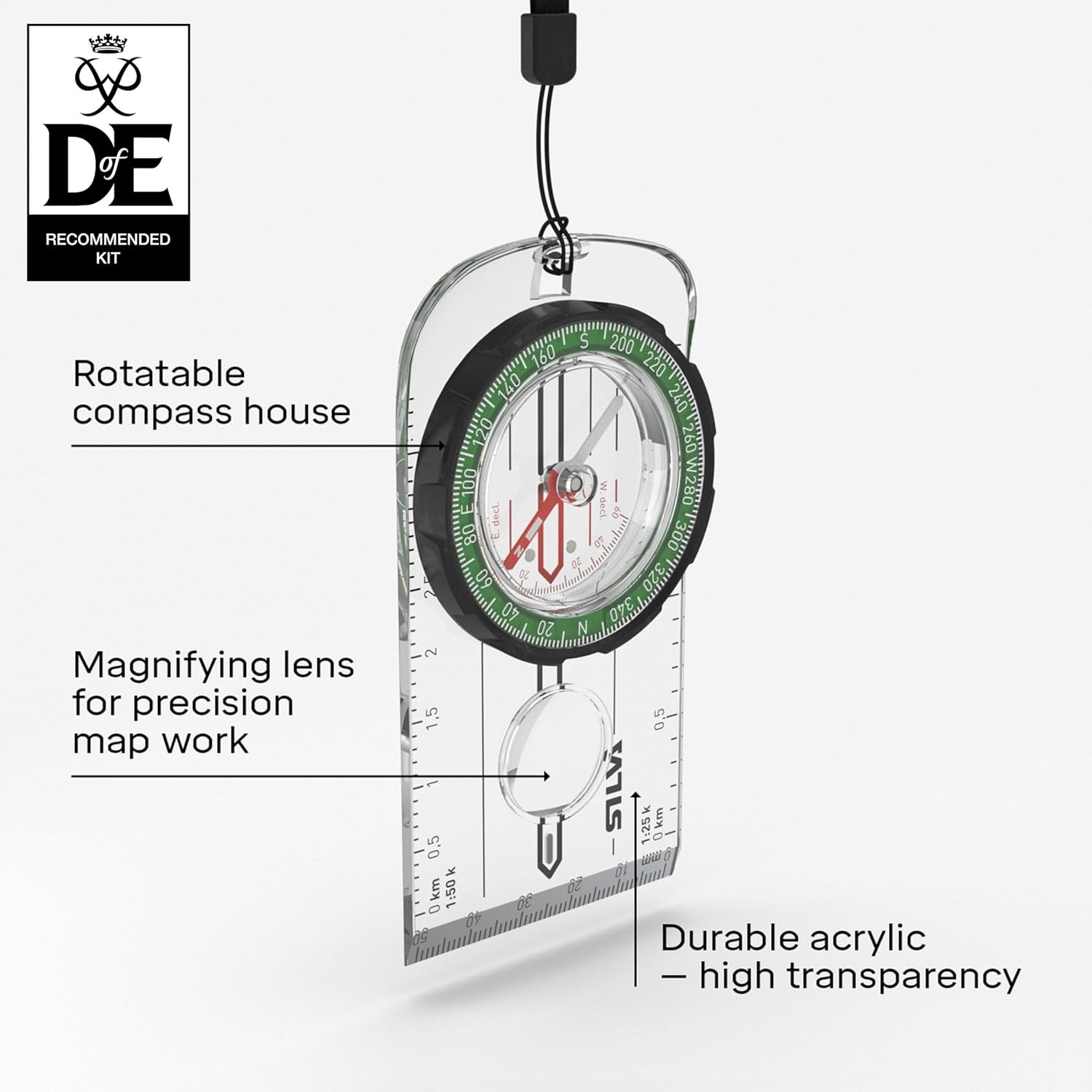
The Silva Ranger Compass is a baseplate compass with 1:25,000 and 1:50,000 map scales. It is designed to be used with a suitable map and requires map-reading skills. It does not decide your route for you.
That distinction matters when choosing a walking compass. You are buying a tool for working with a map, not a device that automatically tells you where you are. If that matches how you want to learn or walk, the next step is to check the details against your needs.
What this compass offers
The known specification is straightforward. This is a Silva Ranger baseplate compass, and its stated map scales are 1:25,000 and 1:50,000. Those are useful facts to compare with the maps you already own or plan to buy.
The baseplate format is used for working with a map. Learning how to position and read a compass correctly is part of that process. Follow the manufacturer's instructions, and give yourself time to practise rather than expecting the tool to make sense on its first outing.
Other details are not specified here. These include weight, dimensions, construction material and numerical accuracy. A global needle specification is also not provided. If any of those points is a deciding factor, confirm it before buying rather than making an assumption.
Understand the two map scales
Map scale describes the relationship between distance on paper and distance on the ground. On a 1:25,000 map, one centimetre represents 250 metres. On a 1:50,000 map, one centimetre represents 500 metres.
The Ranger has scales for both of these map ratios. Before using one, check the scale printed on your map. Choosing the wrong scale can give you the wrong distance, even if you make the measurement carefully.
Take particular care with maps printed at home or copied from another sheet. Enlarging or shrinking a map changes its printed scale unless the output has been set correctly. A map labelled 1:25,000 on screen may not retain that scale when printed to fit a page.
A 1:25000 map compass search or a 1:50000 map compass search can help narrow your options, but the map in your hand is the final check.
What map and compass navigation involves
Map and compass navigation means bringing together information from your map, your surroundings and your direction checks. None of those should be treated in isolation.
Start by understanding the map itself. Learn its symbols, how it shows terrain and how to read its scale. When you can relate visible features to the map, compass work becomes more meaningful. You are checking a direction within a wider picture rather than following a reading without context.
This guide is not a full navigation lesson. Bearing work and other techniques need proper instruction and practice. Use the compass manufacturer's guidance, and consider a course if you are learning from scratch.
The aim is not speed. It is building a repeatable habit of checking what you think, noticing when something does not fit and pausing before a small mistake grows.
Who it may suit
The Silva Ranger is worth considering if you want a compass for walking with a suitable map and are prepared to learn how to use it. It may also appeal to someone who already understands map reading and needs the stated map scales.
For a beginner, the key question is not simply which compass to buy. It is how you will learn to use it. An instructor or a practical navigation session can help you spot mistakes that are easy to miss when practising alone.
For an experienced walker, compare the confirmed specification with your own requirements. Do not assume that a familiar product name confirms every feature you need.
If your main requirement is automatic positioning or location sharing, this is not the right type of device for that task.
Know what it does not do
The Ranger is not GPS and does not transmit location. It will not show a live position on a digital map or send your whereabouts to someone waiting at home.
That makes it important to separate navigation from communication when planning a walk. Choosing walking navigation equipment does not, by itself, create a way to contact someone or request assistance.
Think through those needs separately before leaving. Make sure any people expecting updates understand how and when they will hear from you.
Also avoid treating a compass as a promise that you cannot become lost. Its value depends on correct use, a suitable map and sound decisions. If the situation is beyond your skills, owning more equipment is not a replacement for changing the plan.
Check interference before trusting a reading
Keep the compass away from magnetic and electrical interference. Nearby equipment can affect readings, so pay attention to where and how you use it.
It is easy to focus on the map while forgetting what is beside it. A phone or other equipment placed close to the compass may be a source of interference. Follow the manufacturer's guidance rather than guessing a safe distance.
No minimum separation distance is specified here. The sensible approach is to be deliberate about your surroundings and to learn good reading habits during practice.
If a reading seems inconsistent with the map and visible features, stop and check your method. Do not force the landscape to fit the result you expected. A careful recheck is more useful than pressing on with an unexplained difference.
Choose around the map you will use
Before ordering a compass for hiking, decide which map you intend to carry. Check that it covers the full route, including nearby areas you might need if plans change.
Then confirm its scale. The Ranger's stated scales are 1:25,000 and 1:50,000, so these are the two to compare directly with your map. Included maps are not specified, so arrange your own rather than expecting one in the package.
Next, consider what you need to know about the compass itself. A particular pocket size, strict pack-weight target or overseas trip may raise questions that the available specification does not answer.
Write those questions down and resolve them before purchasing. Choosing from confirmed details is better than filling the gaps with expectations based on appearance or brand.
Practise somewhere familiar
Your first practice session should be about learning, not proving that you can complete a difficult route. Choose a familiar place where mistakes are easier to recognise and correct.
Take time to connect the map with what you can see. Follow the operating instructions and repeat basic tasks until the steps feel clear. If a result does not make sense, pause and work out why.
Outdoor navigation skills develop through checked practice. Repeating an error without noticing it can build confidence in the wrong method, which is why feedback from someone knowledgeable can be valuable.
As your skills grow, keep the same careful habits. Check the map before making a route choice, and allow time for decisions. A compass is most useful when it is part of an attentive routine.
Care, storage and pre-walk checks
Keep the compass clean and dry before putting it away. Handle it carefully, and follow the manufacturer's instructions for care and storage.
Before a walk, inspect it for visible damage. If something appears wrong, resolve that concern before relying on it for navigation. Do not assume that damage is harmless simply because the compass still looks usable at a glance.
No waterproof rating is specified here. Avoid treating it as suitable for immersion or other exposure based on an unstated level of protection.
Keeping your map reading equipment together can also make preparation easier. The important thing is that you can find what you need and check it before setting off, rather than discovering a problem at the first junction.
Ordering for a walk or a gift
Estimated delivery is 1–2 weeks from ordering. Leave enough time before a planned trip, especially if you also need to arrange a map and practise with the compass.
Delivery costs €22.99, with free delivery on goods totals of €89 or more after discounts. Check your discounted goods total when working out the overall cost.
As a gift, the Ranger may suit someone interested in learning map-based navigation. Ask about their maps and needs first, particularly if they already own a compass.
A 14-day cancellation right applies subject to policy. Read the cancellation and returns conditions before ordering so you know the process if it is not suitable.
The short version
Choose the Silva Ranger Compass if you want a baseplate compass with 1:25,000 and 1:50,000 map scales, and plan to use it with a suitable map.
It requires map-reading skills, needs to be kept away from magnetic and electrical interference, and does not provide GPS or location transmission. Confirm any missing specification that matters to you.
The most useful next step is simple. Check your map, make a learning plan and give yourself time to practise before taking it on a demanding walk.